
- Understanding Your Grounding Sheet
- Proper Usage
- Cleaning Your Grounding Sheet
- Maintenance Tips
- Conclusion
In the pursuit of wellness and a balanced lifestyle, grounding sheets have become a staple for many.
These innovative products promise to reconnect us with the earth’s natural electric charge, offering a host of health benefits.
However, to ensure longevity and continued effectiveness, it’s crucial to understand the proper use, cleaning, and maintenance of your grounding sheet.
This comprehensive guide will walk you through the best practices for caring for your grounding sheet.
Understanding Your Grounding Sheets

Before diving into care and maintenance, it’s essential to understand the composition of your grounding sheet.
Typically, grounding sheets are made from a blend of cotton (around 0-5%) and conductive materials like silver or stainless steel threads (around 5-10%).
These conductive materials are what make the grounding sheet effective, so special care must be taken to preserve their integrity.
Proper Usage
- Setting It Up:
- Ensure your grounding sheet is spread evenly on your mattress, beneath your regular sheet, or as instructed by the manufacturer.
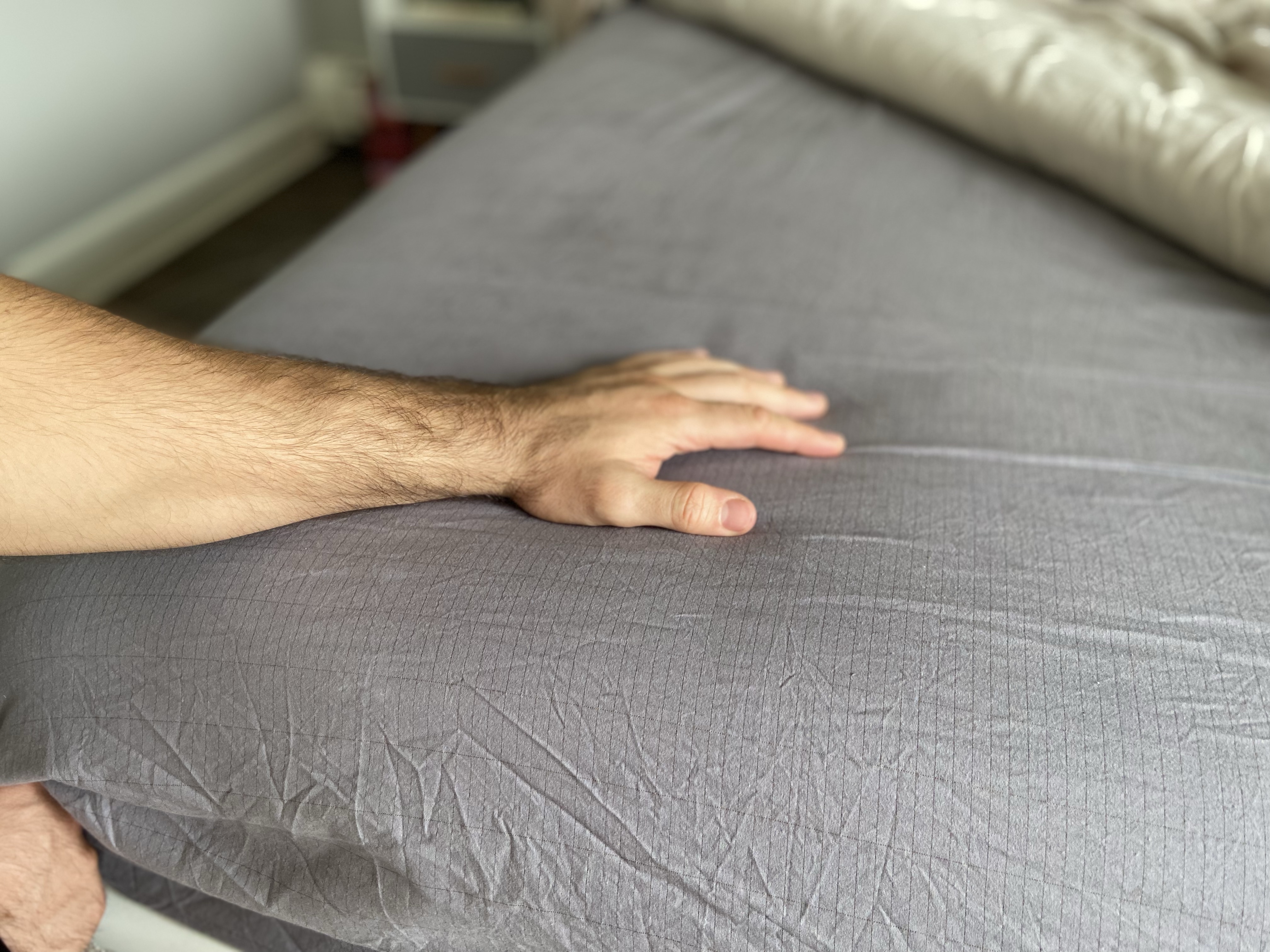
- Grounded sheets work just like regular fitted sheets, so simply place them over your mattress, ensure they are properly fitted, and connect the grounding cord to a grounded outlet or grounding rod outside.


- Direct Contact:
- For the grounding sheet to be effective, direct contact with your skin is recommended. This might mean sleeping with parts of your body directly on the sheet or using a thin fabric between you and the sheet.
Cleaning Your Grounding Sheet


- Frequency:
- Clean your grounding sheet regularly, but not as frequently as regular bedding, to avoid wearing out the conductive fibers. Once every 2 to 3 weeks is usually sufficient, depending on usage.
- Washing Instructions:
- Use a gentle, non-oxidizing laundry detergent. Harsh chemicals can break down the conductive fibers.
- Wash with warm or cold water – hot water might damage the conductive threads.
- Hand washing is preferred, but if you use a machine, opt for a gentle cycle.
- For more information on washing your grounding sheets, click here.
- Drying:
- Air dry your grounding sheet. Avoid tumble drying as the heat and tumbling action can be harsh on the conductive fibers.
- If you must use a dryer, use the lowest heat setting.
Maintenance Tips

- Regular Inspection:
- Periodically inspect your grounding sheet for signs of wear or damage, especially in the areas where the conductive fibers are.
- Proper Storage:
- If you’re storing your grounding sheet, keep it in a cool, dry place. Avoid folding it tightly or storing heavy items on top of it to prevent damage to the conductive threads.
- Avoiding Damage:
- Keep sharp objects away from the grounding sheet to prevent tears or snags.
- Be mindful of pets with sharp claws, as they can damage the sheet.
- Testing Conductivity:
- Testing your sheets once in a while is key to ensure they are still in proper working order. Some grounding sheets come with a tester. Use it periodically to ensure the sheet is still conductive. If your sheet does not come with one, simply using a digital multimeter will let you know if your sheets are still conductive. You can learn more about testing your sheets here.
Conclusion
A grounding sheet can be a valuable addition to your wellness routine, but like any investment, it requires care to maintain its value and functionality.
By following these guidelines for proper use, cleaning, and maintenance, you can ensure that your grounding sheet remains effective and lasts as long as possible. Remember, the benefits of grounding can only be enjoyed if the sheet is well-maintained and functioning as it should.
Happy grounding!



Leave a Reply