
For city dwellers, the bustling urban environment of skyscrapers, asphalt, and the constant hum of technology can create a barrier to connecting with nature.
In places like New York City, where the pace is relentless and green spaces are treasures amidst the concrete, finding ways to ground oneself can be a challenge.
This article explores practical solutions for grounding in urban areas, with a focus on making the most of city parks like Central Park and incorporating grounding mats or sheets as effective alternatives.
The Challenge of Urban Grounding
Living in a high-rise building, walking on pavement, and the scarcity of direct earth contact in cities like NYC can make traditional grounding difficult.

However, the benefits of grounding – such as reduced stress, improved sleep, and decreased inflammation – are too significant to overlook, even for the urbanite.
Making the Most of Urban Green Spaces


Central Park, the green heart of New York City, offers a rare respite from the city’s concrete landscape. Here’s how to utilize such spaces for grounding:
- Barefoot Walks:
- Find a quiet, grassy area in Central Park or any nearby park, and spend some time walking barefoot. The direct contact with the soil can help neutralize the body’s positive charge and promote well-being.
- Mindfulness and Meditation in Nature:
- Use the natural settings of the park for mindfulness practices. Engaging in meditation or yoga on the grass can enhance the grounding experience, combining the benefits of both practices.
- Picnics or Reading on the Grass:
- Activities like having a picnic, reading, or simply lying on the grass can serve as grounding practices, allowing you to absorb the Earth’s electrons while engaging in leisure activities.
Grounding Mats and Sheets: The Urban Alternative
For those who can’t regularly access places like Central Park or other grass areas, there is a solution that allows you to ground at will, in your apartment/home.
Grounding mats and sheets offer a convenient and effective way to ground in an urban setting.
Grounding Mats:

These can be placed under your feet while working at a desk, under your wrists while using a computer, or even as a mat to stand on while doing household chores. The mat connects to the Earth’s energy through a grounding wire plugged into a grounded electrical outlet, providing a practical solution for indoor grounding.
Grounding Sheets:

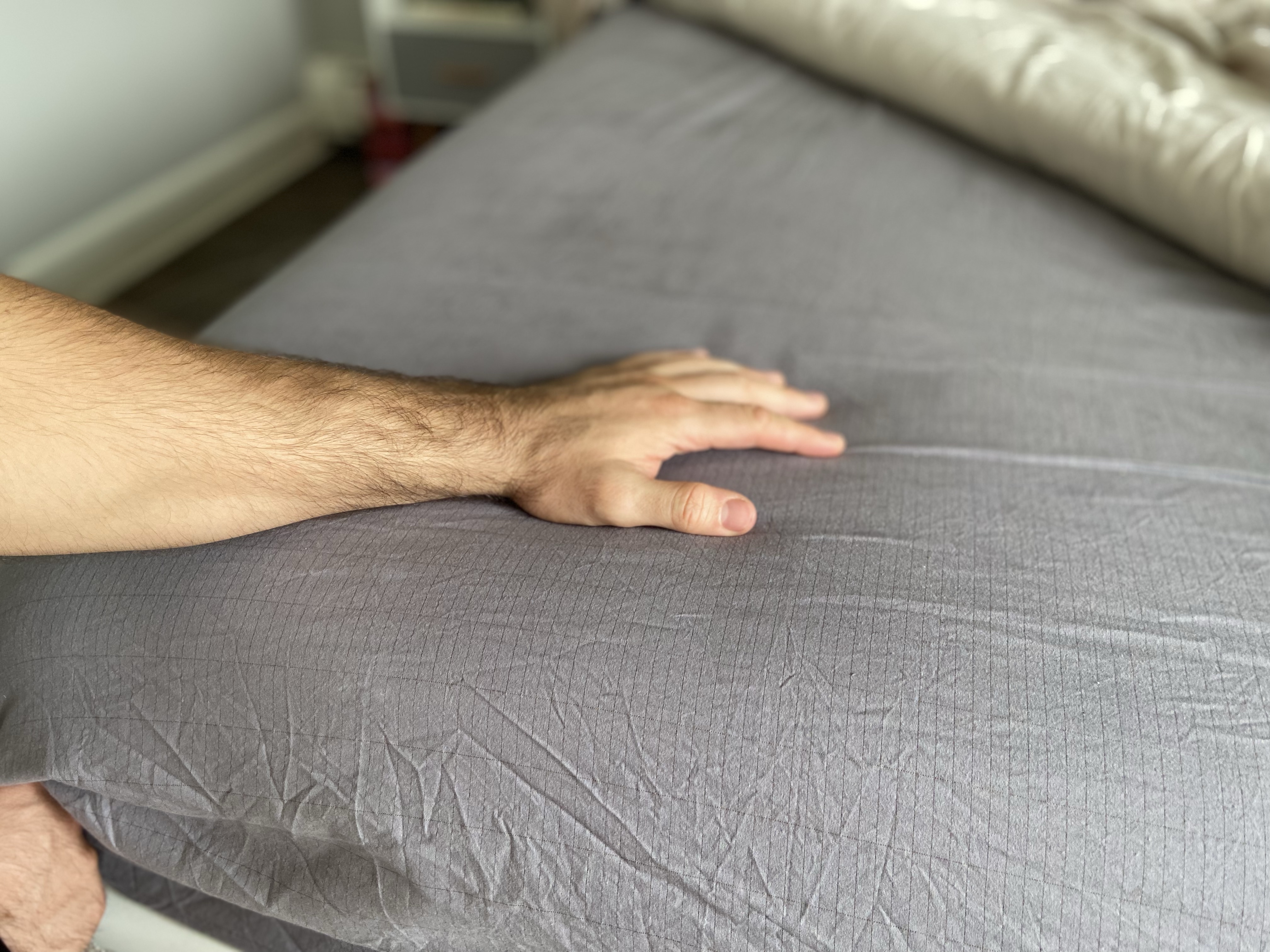
For a more passive approach, grounding sheets can be used on your bed. They work similarly to grounding mats, connecting to the Earth’s energy and allowing you to ground while you sleep. This is especially beneficial for people with busy schedules, as it requires no additional time out of your day. Get the benefits of earth through the 6-8 hours you sleep every single night.
Conclusion
Urban life, with its unique challenges, doesn’t have to be a barrier to the practice of grounding.
While the natural setting of city parks like Central Park provides an invaluable resource for grounding amidst the urban sprawl, grounding mats and sheets offer an accessible alternative for those unable to regularly connect with these green spaces.
By integrating these grounding practices into your urban lifestyle, you can enjoy the benefits of connecting with the Earth’s energy, counteracting the stresses of city life, and promoting overall health and well-being.
Whether through a barefoot walk in the park or a grounding mat in your living room, the grounding force of nature can be a touchstone in the rhythm of urban life.



Leave a Reply