
- The Basics of Grounding
- Using Grounding Products
- Setting Up Your Indoor Grounding
- Indoor vs Outdoor Grounding – Is There Really a Difference?
- Wrapping It Up
Grounding, or earthing, is a wonderful practice that connects you to the Earth’s natural energy, bringing a host of health benefits like reduced inflammation, better sleep, and improved mood.
But what if you’re stuck inside and can’t get out to walk barefoot on the grass?
Maybe you live in an urban environment which has little access to nature?
Don’t worry – you can still ground yourself indoors! Let’s explore how you can stay connected to the Earth’s energy without stepping outside.
The Basics of Grounding
Grounding involves making direct contact with the Earth’s surface electrons to balance your body’s electrical energy.
While the most straightforward way to ground yourself is by walking barefoot on natural surfaces like grass, sand, or soil, indoor grounding is also possible thanks to the modern world.
It’s the 21st century and we have solutions for almost everything.
By utilizing grounding products, you can get the full benefits of earthing from the very comfort of your home.
Using Grounding Products
Grounding products are specifically designed to help you stay grounded indoors.
But how do they work if they are inside?
By connecting to the grounded port in your electrical socket… Don’t worry, these ports don’t conduct electricity, just the electrons from the earth which travel up into the cord and into your grounding product.


When it comes to grounding indoors, here are some popular options:
- Grounding Mats: These are flexible mats made with conductive materials like carbon or silver. You can place them on the floor, under your desk, or on your bed. Simply touching the mat with your bare feet or skin allows the Earth’s electrons to flow into your body.
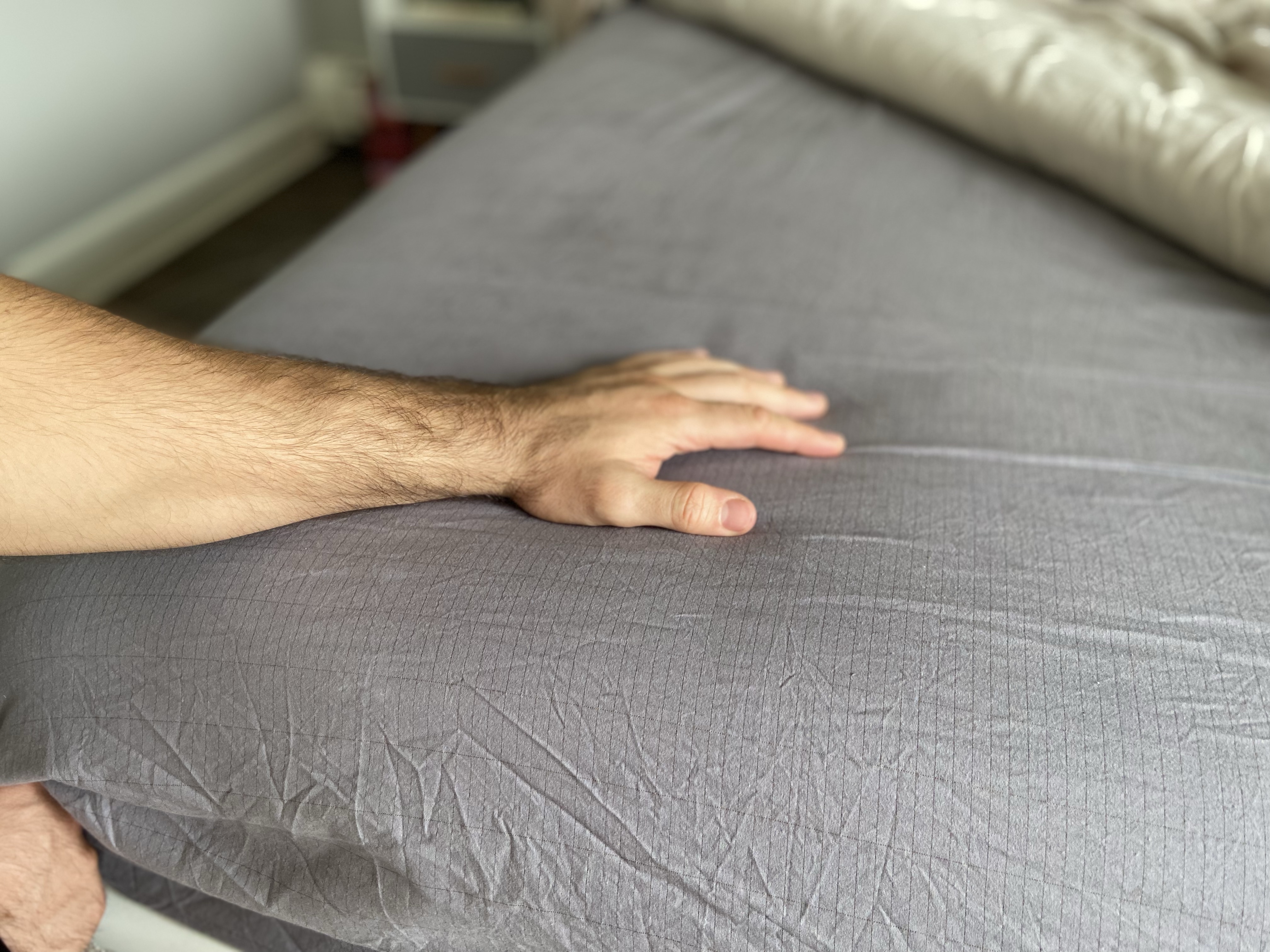
- Grounding Sheets: These are bed sheets infused with conductive fibers. By sleeping on a grounding sheet, you stay connected to the Earth’s energy throughout the night, promoting better sleep and overall health.
- Grounding Bands and Patches: These smaller, portable options can be worn on your wrist, ankle, or placed on specific areas of your body. They are perfect for targeted grounding while you work, relax, or sleep.
Setting Up Your Indoor Grounding
To get the most out of indoor grounding, follow these simple steps:
- Choose Your Product: Decide whether a grounding mat, sheet, or wearable option best suits your needs. Each product has its own benefits, so consider your lifestyle and grounding goals.
- Connect to a Grounded Outlet: Grounding products need to be connected to a grounded electrical outlet to function properly. Use the grounding port (the bottom round hole) of your outlet or a grounding rod if an outdoor connection is available.
- Direct Skin Contact: For grounding to be effective, ensure that your skin is in direct contact with the grounding product. Bare feet, legs, or any part of your body touching the conductive surface will work.
Indoor vs Outdoor Grounding – Is There Really a Difference?
The great debate between styles of grounding is nothing new. Both inside and outside earthing offer their benefits.
Which one you choose is ultimately up to you – in fact, switching between the two, or practice both daily is a great way to get even more grounding in.
Below are the arguments for both styles below:
The Great Outdoors: Sun, Soil, and Synergy

Outdoor grounding is the traditional way to go. It involves direct skin contact with the Earth’s surface—think grass, soil, or sand. Here’s why it might just be worth getting a little dirt on your feet:
- Maximized Electron Transfer: Direct contact with the Earth provides an uninterrupted flow of electrons, which are believed to neutralize free radicals in your body, reducing oxidative stress and inflammation.
- Vitamin D Bonus: While you’re outside grounding, you’re also likely soaking up some Vitamin D from the sun, which is a fantastic bonus for your bone health and immune system.
- Scenic Serenity: There’s something inherently calming about being outdoors. The fresh air, natural light, and sounds of nature can boost your mood and enhance the overall grounding experience, making you feel more relaxed and connected.
Indoor Grounding: Convenience Meets Comfort

Modern living means spending a lot of time inside, but that doesn’t mean you have to miss out on grounding. Here’s how indoor grounding stacks up:
- Accessibility and Consistency: Grounding indoors, often through grounding mats or sheets, means you can connect to the Earth’s energy anytime, regardless of weather conditions. It’s grounding on demand!
- Controlled Environment: Indoor grounding can be more comfortable and controlled—you won’t have to worry about bugs, mud, or the elements. You can ground while working at your desk, sleeping, or even watching TV.
- More Grounding – Let’s face it with our busy lives, it means less time outdoors. Even if you could get 30 minutes of outdoor time a day, it’s nothing compared to utilizing grounding sheets on your bed which allows you to reap the benefits of earthing for the 8 hours you sleep every night.
Wrapping It Up
So, how do you ground yourself indoors?
It’s easy with the right grounding products and techniques. From grounding mats and sheets to touching grounded metal pipes, there are plenty of ways to stay connected to the Earth’s natural energy without leaving your home.
Embrace these methods, and enjoy the health benefits of grounding, even when you’re indoors.
Happy grounding!



Leave a Reply