
Grounding, also known as earthing, has been making waves in the wellness world for its myriad health benefits, including better sleep, reduced stress, and enhanced well-being. But can it also help reduce inflammation?
Let’s dive into the science and explore how grounding might be a natural way to calm inflammation and promote overall health.
The Basics of Grounding
Grounding involves making direct contact with the Earth’s surface electrons, typically by walking barefoot on natural surfaces or using grounding products like mats and sheets. This connection helps balance your body’s electrical energy and can have various positive effects on your health. But what about inflammation?
Understanding Inflammation
Inflammation is your body’s natural response to injury, infection, or harmful stimuli. While acute inflammation is essential for healing, chronic inflammation can contribute to a host of health issues, including heart disease, arthritis, and autoimmune disorders. Reducing chronic inflammation is crucial for maintaining good health and preventing disease.
The Science of Grounding and Inflammation
Research suggests that grounding can indeed help reduce inflammation. Here’s how:
- Neutralizing Free Radicals: Free radicals are unstable molecules that can cause oxidative stress and inflammation. Grounding allows electrons from the Earth to flow into your body, neutralizing free radicals and reducing oxidative stress.
- Study Reference: A study published in the Journal of Inflammation Research found that grounding significantly reduced markers of inflammation and improved immune responses.
- Reducing Blood Viscosity: High blood viscosity (thickness) is associated with inflammation and cardiovascular disease. Grounding has been shown to reduce blood viscosity, which can help lower inflammation and improve circulation.
- Study Reference: Research published in the Journal of Alternative and Complementary Medicine demonstrated that grounding reduces blood viscosity, potentially reducing the risk of inflammation-related conditions.
- Improving Sleep: Poor sleep can exacerbate inflammation. Grounding helps regulate your body’s natural rhythms and improve sleep quality, which in turn can help reduce inflammation.
- Study Reference: A study in the Journal of Environmental and Public Health found that grounding during sleep improved sleep quality and resynchronized cortisol secretion, which can reduce stress and inflammation.
Personal Testimonials: Grounding and Inflammation
Many individuals who practice grounding regularly report significant reductions in inflammation-related symptoms, such as joint pain, muscle stiffness, and general discomfort. While these are personal anecdotes and not scientific proof, they highlight the potential benefits of grounding for reducing inflammation.
- Joint Pain Relief: People with arthritis and other joint conditions often find relief from pain and stiffness through grounding.
- Faster Recovery: Athletes and fitness enthusiasts report quicker recovery times and less muscle soreness after grounding sessions.
How to Incorporate Grounding into Your Routine
If you’re interested in trying grounding to reduce inflammation, here are some simple ways to get started:
- Go Barefoot: Spend time walking barefoot on natural surfaces like grass, sand, or soil. Aim for at least 30 minutes a day to maximize the benefits.
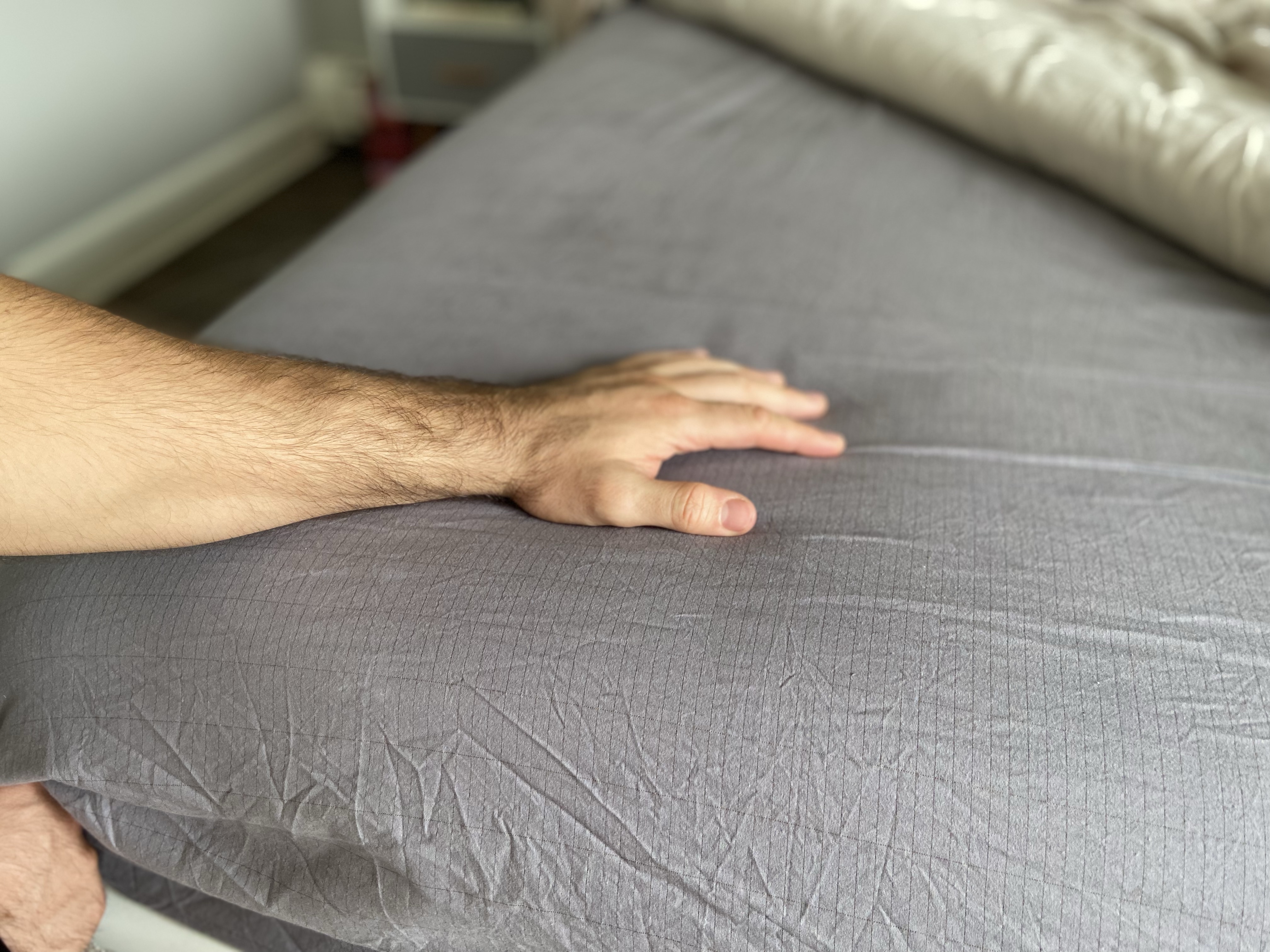
- Use Grounding Products: Invest in grounding mats, sheets, or patches that you can use indoors while sleeping, working, or relaxing.
- Make It a Habit: Consistency is key. Incorporate grounding into your daily routine to experience the long-term benefits of reduced inflammation.
Wrapping It Up
So, does grounding reduce inflammation? The science suggests that it can, thanks to its ability to neutralize free radicals, reduce blood viscosity, and improve sleep quality. Many personal testimonials also support the anti-inflammatory benefits of grounding. Whether you choose to walk barefoot or use grounding products, incorporating this simple practice into your daily routine could help you reduce inflammation and promote better overall health. Happy grounding!



Leave a Reply